
Featured tour
Join the grand Naadam Festival, with thrilling games and a captivating opening ceremony!
Experience an unforgettable trip to the world renowned Gobi Desert.
Uncover the secrets of the Flaming Cliffs, renowned as the ancient birthplace of dinosaurs.
Immerse yourself in genuine cultural exchanges with local nomadic families.
Enjoy the comfort of staying in Mongolian Traditional Ger/Yurt accommodations.
6 Days / 5 Nights
from US$ 1,550


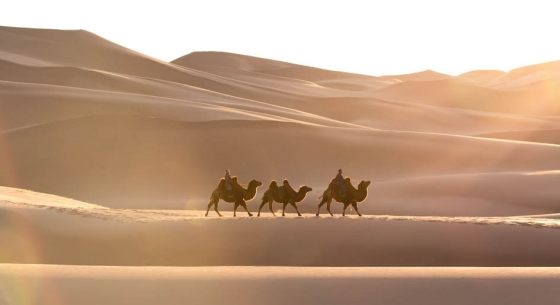
Embark on an extraordinary journey through the mesmerizing landscapes of the Gobi Desert, where each moment unveils the diverse beauty of Mongolia. Experience the tranquility of Khongor Sand Dunes, explore the famed Flaming Cliffs with its dinosaur fossils, and venture into the serene Yol Valley with its perennial icy wonders. Discover the peaceful expanse of the Gobi steppe, engaging with nomadic communities along the way. Immerse yourself in their way of life, trek through the Gobi Gurvansaikhan National Park, and marvel at the captivating night sky, making this exploration of Mongolia's enchanting Gobi region a truly unforgettable experience.

17 Days / 16 Nights
from US$ 3,550


Join us on this epic tour through Mongolian untouched wilderness, sleep under millions of stars and meet real Mongolian nomads. On this 17-day tour, you will visit the highlights of Central, Southern & Northern Mongolia, and explore their jaw-dropping natural wonders, ancient historical sites, and local people.
7 Days / 6 Nights
from US$ 1,750
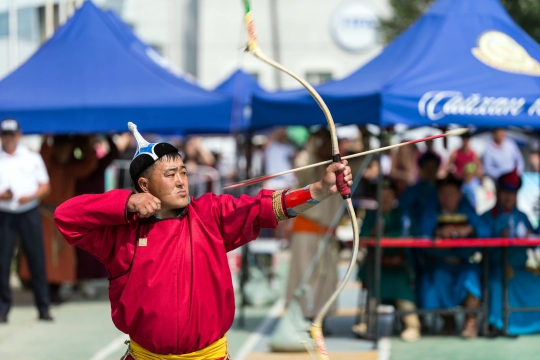
Selena Travel Mongolia invites you to join the Great Naadam Festival tour which offer a unique opportunity to experience the one of the best celebrations of Mongolia, the Naadam festival- pride of Mongols! The tour also includes visits to the ancient Karakorum, Bayangobi sand dunes and Hustai national park.
14 Days / 13 Nights
from US$ 2,700
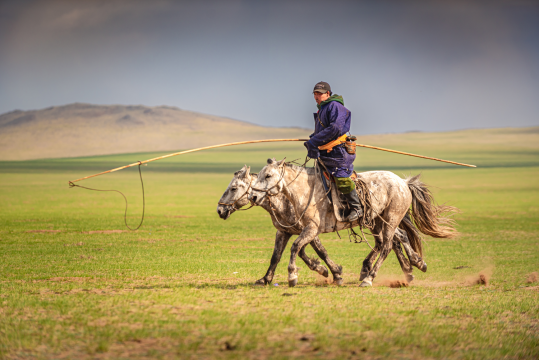
Ride the legendary horses of Genghis Khan on an epic horse trekking adventure through Central Mongolia. Explore ancient ruins, serene monasteries, stunning waterfalls, and vibrant nomadic culture. Perfect for adventure seekers and history lovers, this tour offers the ultimate mix of exploration and relaxation.
6 Days / 5 Nights
from US$ 1,500

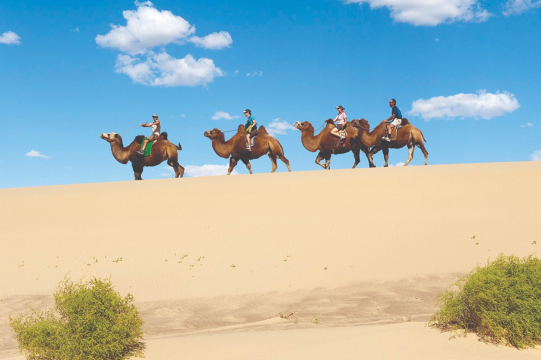
Embark on an extraordinary journey through the stunning Gobi Desert, revealing Mongolia's diverse beauty. Experience the tranquility of Khongor Sand Dunes, explore the famous Flaming Cliffs with dinosaur fossils, and venture into the serene, icy Yol Valley. Discover the peaceful Gobi steppe, engage with nomadic communities, trek through Gobi Gurvansaikhan National Park, and marvel at the captivating night sky, creating an unforgettable exploration of Mongolia’s enchanting Gobi region.
4 Days / 3 Nights
from US$ 680
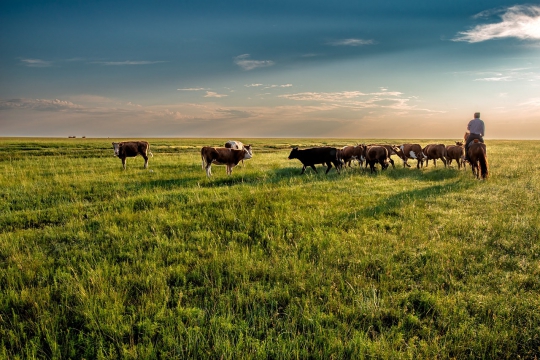
The trip takes you to the historic sites from the Great Mongol Empire in the heart of the world. Erdene-Zuu monastery in ancient Karakorum, Elsen Tasarkhai aka Bayan gobi sand dunes, and Hustai National Park are included.
5 Days / 4 Nights
from US$ 900

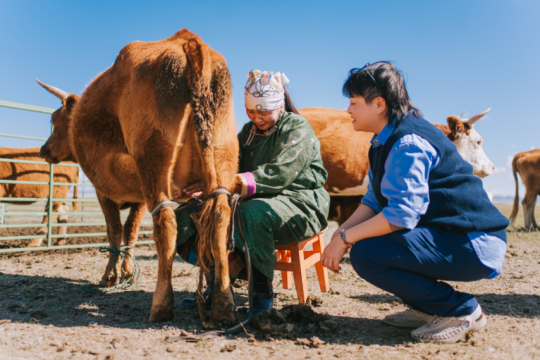
Mongolia's most authentic cultural experience — 5 days living as a nomad, herding livestock, sleeping in a traditional ger, and exploring Karakorum. Book your 2026 Mongolia trip now.
5 Days / 4 Nights
from US$ 900
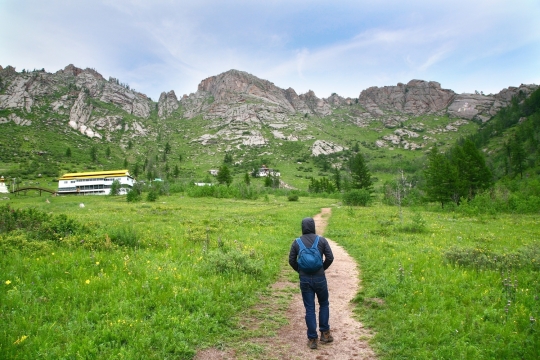
The highlights of Central Mongolia tour giving you big chance to feel Mongolian beautiful nature and nomadic lifestyle just within 5 days and by very competitive price. Go ahead & feel Mongolian wilderness and beauty in short time.
8 Days / 7 Nights
from US$ 1,450
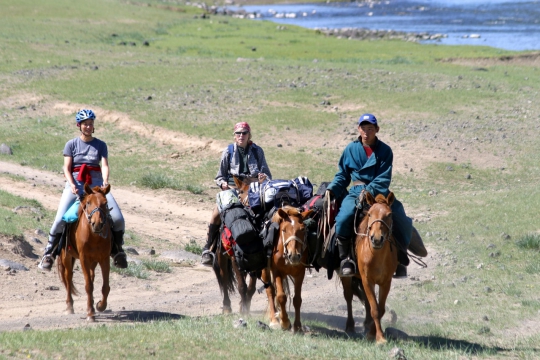
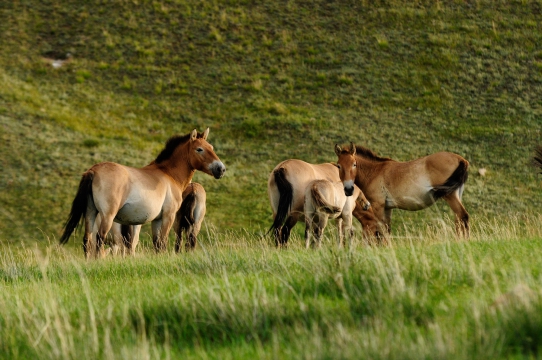
Explore the majestic Khan Khentii Mountains and sacred Tuul and Kherlen rivers on this unforgettable horse trekking adventure. Traverse Mongolia's vast steppes, visit nomadic families for traditional milk tea, and unwind in the wildlife haven of Gun Galuut Nature Reserve.
13 Days / 12 Nights
from US$ 2,660
Northern Mongolia explorer tour is an overland driving tour that takes you to natural and cultural wonders in the Northern and Central Mongolia including lake Huvsgul, White lake, old Karakorum and Hustai National park.
17 Days / 16 Nights
from US$ 4,800

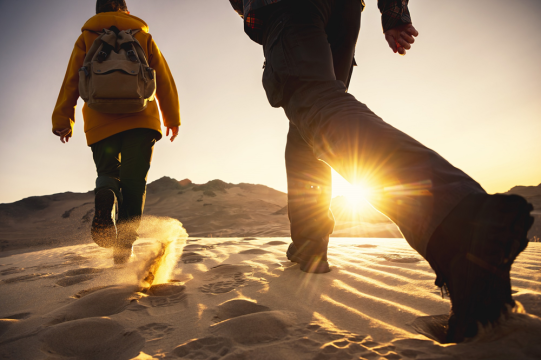
Experience the raw, majestic beauty of Western Mongolia, a land where the Altai Mountains meet the vast Siberian forest. Home to over a dozen ethnic groups, including the famous Kazakh Eagle Hunters, this region offers a rare glimpse into ancient nomadic lifestyles and pristine, untouched wilderness.
10 Days / 9 Nights
from US$ 2,550
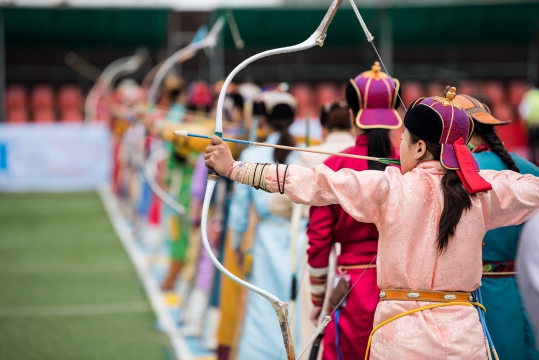
This tour offers a complete introduction to this ancient and beautiful country, visiting regions that many other tours do not cover. Visits to the great Gobi desert, and the Naadam festival are included.
6 Days / 5 Nights
from US$ 1,250
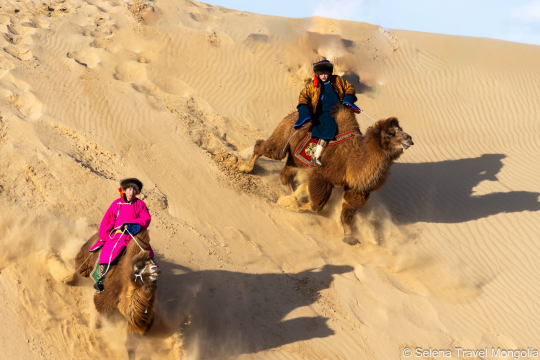
Step into the heartland of the Great Mongol Empire on this immersive 6-day Mongolia tour — one of the best short Mongolia tours for travellers who want to experience maximum history, culture, and wildlife without a lengthy itinerary.
4 Days / 3 Nights
from US$ 650
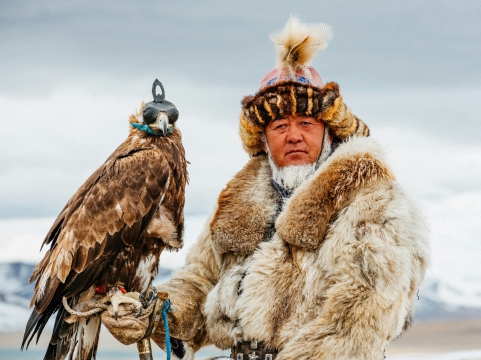
Explore Mongolia's top attractions! Visit Karakorum’s Erdenezuu Monastery, ride camels at Elsen Tasarkhai Sand Dunes, and stay with a nomadic family. Discover Przewalski’s horses in Hustai National Park and experience the thrilling Spring Golden Eagle Festival. Perfect for your Mongolian adventure!
7 Days / 6 Nights
from US$ 2,650
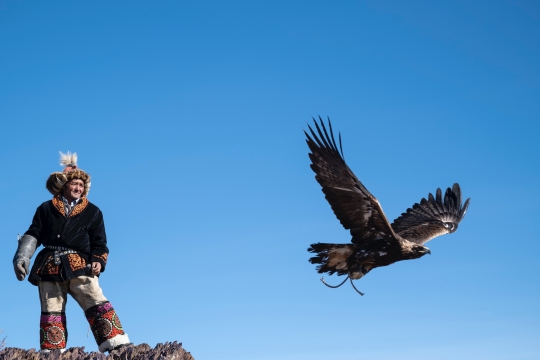
Looking to capture the essence of Kazakh traditional eagle hunting in your photography? Don't miss this golden opportunity to add rare and exotic images of nomadic culture to your treasure chest. Join us and take advantage of this unique chance to document the beauty and tradition of eagle hunting. Join us for the annual Golden Eagle Festival in Mongolia's westernmost, Bayan-Olgii Province. This tour not only has the Golden Eagle festival but also includes visits to natural wonders and cultural heritages of Mongolia.
7 Days / 6 Nights
from US$ 1,200
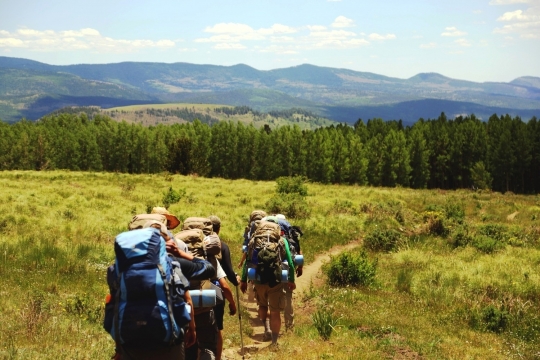
Seven days. Zero crowds. One of Mongolia's most spectacular trekking routes. The Khentii Mountains trek takes you through the Khan Khentii Strictly Protected Area — from Terelj National Park across the sacred Tuul valley, over the Tsagaan Khutul pass, and down to the wildlife-rich Gun-Galuut Nature Reserve. A moderate-grade Mongolia hiking tour for those who want the real wilderness, not a packaged version of it.
8 Days / 7 Nights
from US$ 1,690
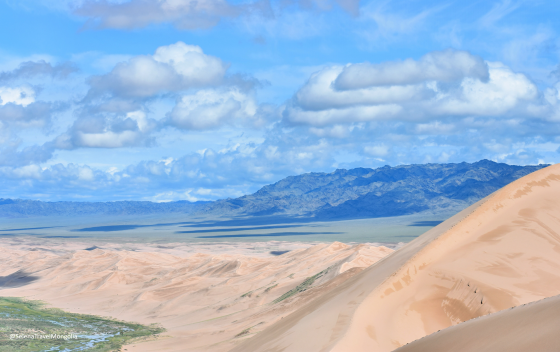
Discover the raw beauty of Southern and Central Mongolia on this immersive expedition. From the Gobi’s golden sands to the historic cradle of the Mongol Empire, this journey blends natural wonders with deep cultural connection.
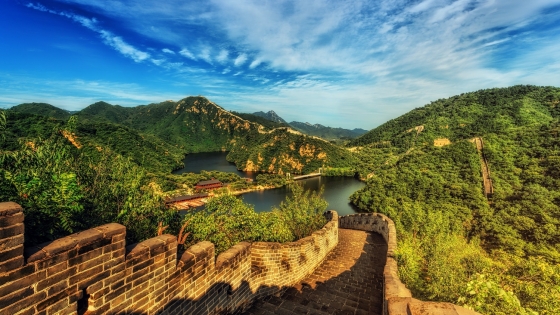
12 Days / 11 Nights
from US$ 2,930
Explore the iconic highlights of China, including Beijing’s Tiananmen Square, Forbidden City, and the Great Wall, along with Xi’an’s legendary Terracotta Warriors. In Mongolia, Discover Bayan Gobi - the small sand dunes in the non-desert area, Hustai National Park to see the only living wild horse in the world- the Takhi aka Przewalski horse and beautiful Terelj National Park.
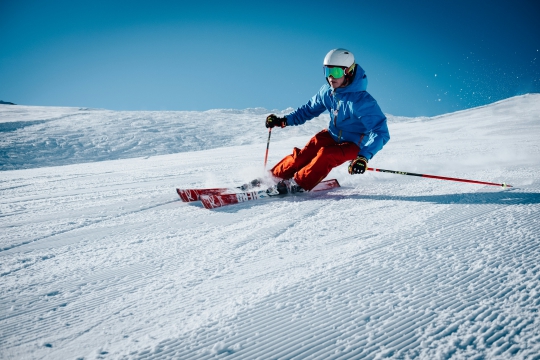
5 Days / 4 Nights
from US$ 800
Experience the magic of a Mongolian winter on this 5-day adventure! Discover snow-covered landscapes, meet nomadic families, and enjoy cozy stays in traditional gers. Highlights include exploring Terelj and Khustai National Parks, visiting the iconic Genghis Khan Statue Complex, and enjoying activities like horse riding and hiking through the pristine winter wilderness. Whether you’re seeking culture, nature, or adventure, this tour offers an unforgettable glimpse into Mongolia’s breathtaking winter beauty. Plus, enjoy exclusive discounted rates for this once-in-a-lifetime experience!
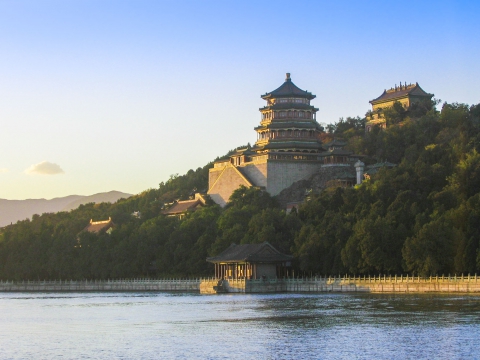
10 Days / 9 Nights
from US$ 2,240
Discover the wonders of China on this highlights tour. Visit the Great Wall, Forbidden City, and Terracotta Warriors while exploring Xi'an, Beijing, and Shanghai. Perfect for travelers seeking China's iconic sites and cultural treasures. Discover Beijing with the Best!
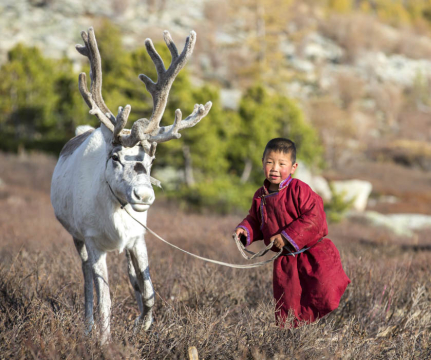
8 Days / 7 Nights
from US$ 2,200
Experience the ancient traditions of Mongolia’s Reindeer People — the Tsaatan ( Dukha ) Nomads — on this unforgettable adventure through the breathtaking landscapes of the Darkhad Depression and the Southern Edge of Siberia.
10 Days / 9 Nights
from US$ 1,990
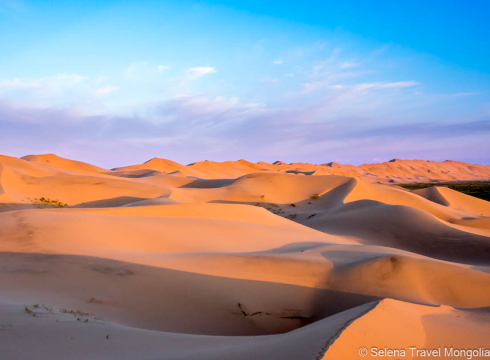
Ten days. One complete Mongolia adventure tour. The Flaming Cliffs, Khongor Sand Dunes, ancient Karakorum, UNESCO Orkhon Valley, nomadic family stays, and ger camp nights under an endless sky. Guaranteed departures from US$1,990. This is Mongolia's greatest hits — done properly.
8 Days / 7 Nights
from US$ 1,270
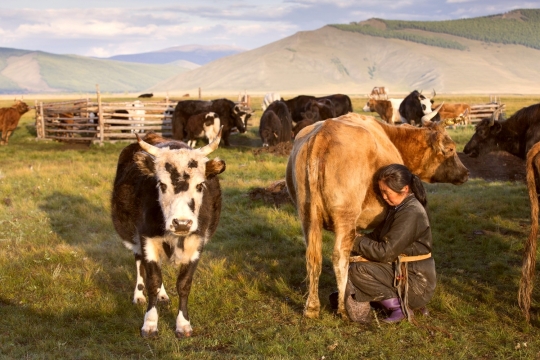
Community based tour is designed to give the most authentic experience of nomadic culture in Mongolia while supporting the nomadic in a sustainable way without imposing negative impact in their lifestyle and culture.

8 Days / 7 Nights
from US$ 6,050
Mongolia honeymoon tour is based on very luxury accommodation in Ulaanbaatar & in the countryside. Alongside you feel the comfort in a very last nomadic country; you’ll visit to UNESCO world heritage sites, beautiful national parks, will see beautiful landscapes, meet with young nomad couples and interact with them.
3 Days / 2 Nights
from US$ 600
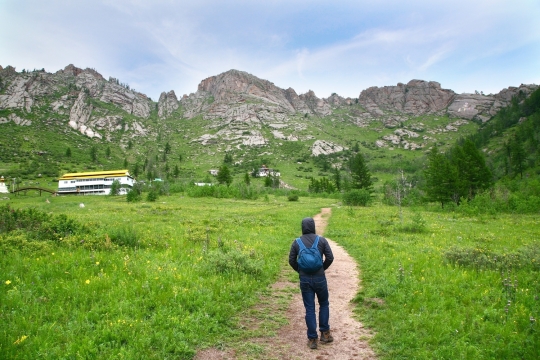
Mongolia's best short tour — 3 days visiting Terelj & Hustai National Parks, wild Przewalski horses & the world's largest equestrian statue. Competitive rates, ger camp stays included.
1 Days / 0 Nights
from US$ 80
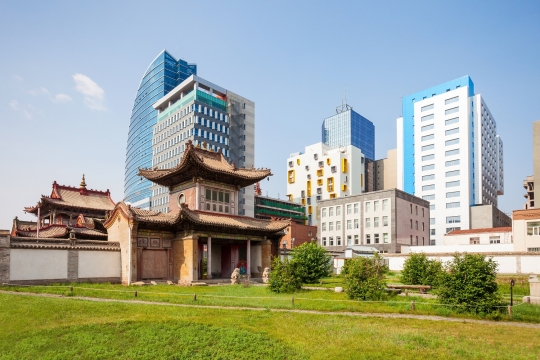
This city tour gives you a good overview of this unique city. You will visit the museums, Monastery and the historical highlights of this unique city within 1 day

11 Days / 10 Nights
from US$ 1,950
Your expedition will lead you across diverse landscapes, from the arid Gobi Desert to the vast central Mongolian steppe. Along the way, forge connections with the nomadic Gobi camel herders, and central Mongolian nomads, immersing yourself in their unique ways of life.
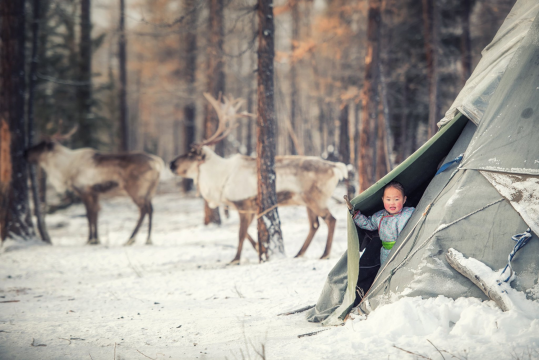
11 Days / 10 Nights
from US$ 2,500

Embark on a mesmerizing winter journey through Mongolia's breathtaking landscapes and rich cultural heritage. Begin your adventure at Lake Khuvsgul, where the frozen expanse creates a winter wonderland perfect for exploration. Delve into the nomadic way of life with a captivating stay among the Reindeer Tribe, immersing yourself in their ancient customs and reindeer herding traditions. Experience the serene beauty of Mongolia’s winter wilderness, with opportunities to engage with local culture, explore snowy landscapes, and connect with the heart of Mongolia's timeless traditions.
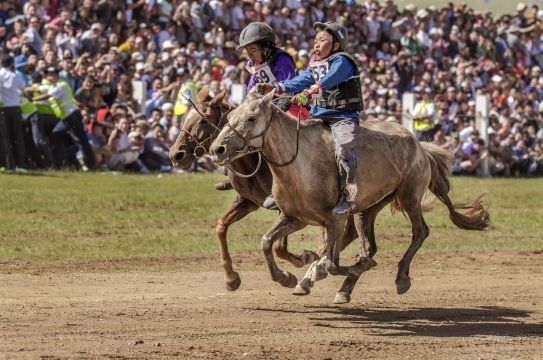
7 Days / 6 Nights
from US$ 1,750
Selena Travel Mongolia invites you to join the Great Naadam Festival tour which offer a unique opportunity to experience the one of the best celebrations of Mongolia, the Naadam festival- pride of Mongols! The tour also includes visits to the ancient Karakorum, Bayangobi sand dunes and Hustai national park.
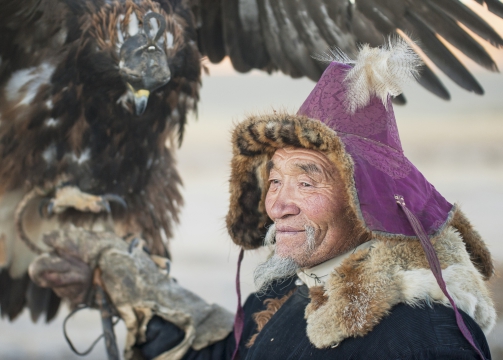
4 Days / 3 Nights
from US$ 1,850
This spectacular event includes competitions based on speed, agility, and accuracy of these magnificent Golden Eagles and some great Kazakh traditional games such as Bushkashi, Tiyn Ter, archery and traditional camel racing etc are also organized on the festival days.
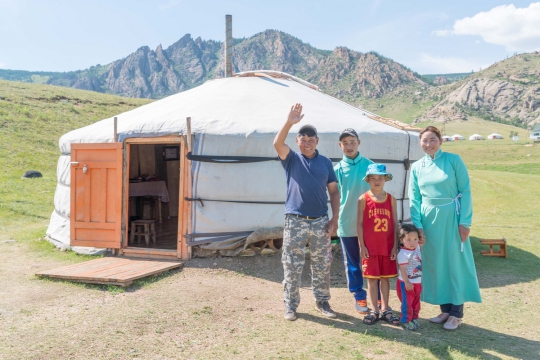
5 Days / 4 Nights
from US$ 870
Spring in Mongolia is lambing season — the most alive the steppe gets all year. On this 5-day nomadic family stay tour, you'll wake before dawn to help with newborn livestock, herd sheep on horseback, make dairy from scratch, and spot Przewalski horses at Hustai National Park. Small groups of 3–8. No staging. Just real Mongolian nomadic life at its most extraordinary.
12 Days / 11 Nights
from US$ 2,620
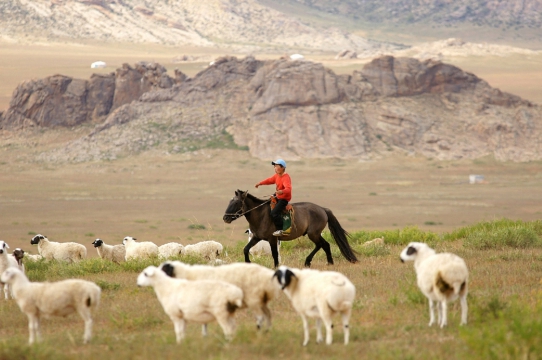
Our tour invites you to escape the hustle and bustle of modern life and immerse yourself in the beauty of the natural world. Wake up to the gentle sound of birdsong and watch the sunrise over the vast Mongolian landscape.
9 Days / 8 Nights
from US$ 2,750
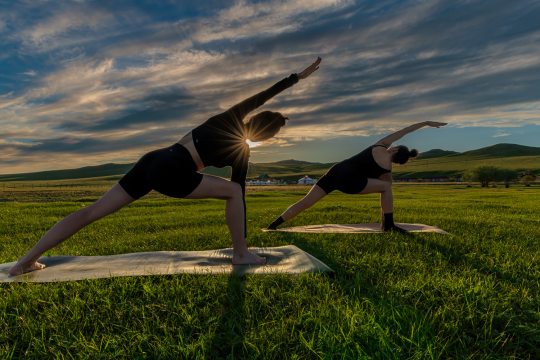
Join us on a rejuvenating yoga retreat where we will focus on harmonizing our bodies and minds, much like the stunning destinations we will be visiting. The rolling green hills, meadows, and wetlands of Gun Galuut and the open steppe, sand dunes, and vast expanse of Elsen Tasarkhai complement each other perfectly, just as we will aim to balance our bodies and minds.
Days / -1 Nights
from US$ 3,450
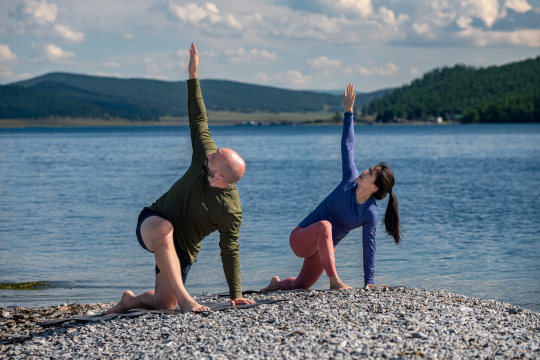
Our retreats are crafted to go beyond mere traveling, offering opportunities to step outside your comfort zone & gain new perspectives through a transformative journey in this exotic destination.
7 Days / 6 Nights
from US$ 2,700
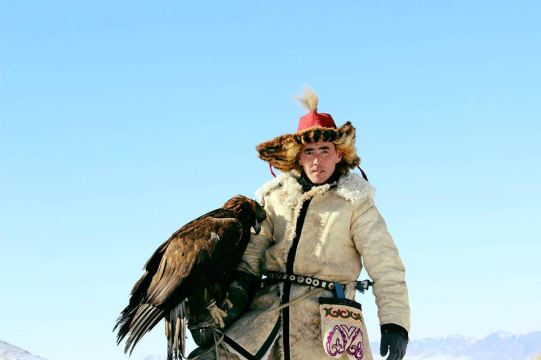
This spectacular event includes competitions based on speed, agility, and accuracy of these magnificent Golden Eagles and some great Kazakh traditional games such as Bushkashi, Tiyn Ter, archery and traditional camel racing etc are also organized on the festival days.
5 Days / 4 Nights
from US$ 1,700
Discover the raw beauty of Mongolia's Gobi Desert on this 5-day guided adventure. Visit the legendary Flaming Cliffs, famous for dinosaur fossils, explore the stunning Yol Valley, and experience the vast Gobi steppe. Connect with nomadic families, trek through Gobi Gurvansaikhan National Park, and end each day beneath a spectacular night sky.
Let us design that dream vacation for you
 Send us a quick email
 Skype us
 (+976)-8900-5074


